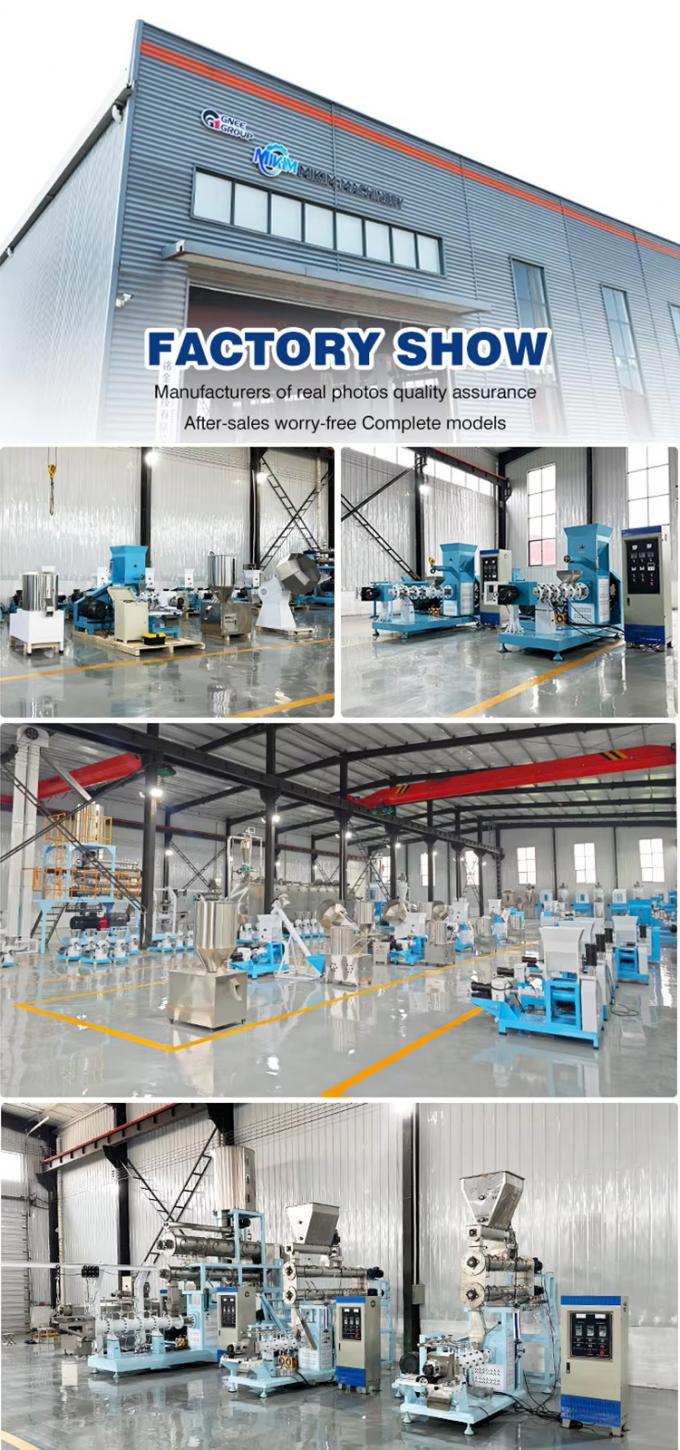


2026 MIKIM의 플라팅 생선 먹이 펠렛 제조 기계
2026/05/07

왜 2026 년 더 많은 수산업 업체가 생선 사료 가공 기계를 선택합니까?
상업용 수산물 재배의 급속한 성장으로 인해 어업자들은 먹이 품질, 생산 효율성, 운영 비용 통제에 더 많은 관심을 기울이고 있습니다.
The 2026 floating fish feed pellet making machine from MIKIM is designed to help farms and feed producers manufacture stable floating fish feed pellets with higher efficiency and better feed utilization.
전통적인 침몰식품과 비교했을 때, 떠있는 먹이는 농부들에게 물고기의 먹이 조건을 쉽게 관찰하고 연못이나 케이지에서 먹이 낭비를 줄일 수 있습니다.
떠있는 생선 음식 펠렛 제조 기계는 무엇입니까?
떠있는 생선 사료 제조 기계는 오랫동안 물 위에 떠있을 수있는 확장 된 수산 사료 펠릿을 생산하는 데 사용되는 진압 시스템입니다.
기계는 높은 온도와 압력 아래에서 원료를 처리하여 좋은 떠성과 소화성을 가진 부풀린 펠릿을 형성합니다.
그것은 광범위하게 생산에 사용됩니다:
- 티라피아 먹이
- 어류 먹이
- 카프 먹이
- 새우 사료
- 수족관 생선 먹이
다양한 펠렛 크기를 폼을 바꾸면 만들 수 있습니다.
2026 MIKIM 떠있는 생선 식품 생산 기계의 주요 특징

안정적인 떠 있는 펠릿 생산
진압 시스템은 안정적인 부동 성능과 낮은 분말 비율을 가진 균일한 펠렛을 만드는 데 도움이됩니다.
유연한 펠릿 크기
이 기계는 다음과 같은 재료로 사료 펠릿을 생산할 수 있습니다.
- 1mm 튀김 먹이
- 2~4mm 성장하는 생선 먹이
- 5~8mm 성인 생선 먹이
이것은 하나의 기계가 여러 가지 물고기 성장 단계를 지원할 수 있게 합니다.
높은 생산 효율성
최적화된 나사 진압 구조는 다음과 같이 개선됩니다.
- 물자 운반
- 펠렛 펌핑
- 생산 연속성
- 먹이 모양의 일관성
소규모 농장과 상업용 사료 공장 모두에 적합합니다.
광범위한 원자재 호환성
기계는 다음과 같은 많은 일반적인 수산물 사료 성분을 처리 할 수 있습니다.
- 옥수수 밀가루
- 소아 콩 밀가루
- 생선밀
- 밀청
- 쌀청소
- 풀가루
고객들은 지역 원자재 사용량과 영양 요구에 따라 수식을 조정할 수 있습니다.
고객 들 이 보통 구매 하기 전 에 관심 을 갖는 것
펠렛 이 잘 떠날 수 있는가?
부동 성능은 어류 사료 생산에서 가장 중요한 지표 중 하나입니다.
고품질의 펠릿은 다음을 해야 합니다.
- 안정적으로 떠
- 물에서 깨지는 것을 방지합니다.
- 먹이는 동안 모양을 유지
이 기계 는 조작 이 쉽다?
많은 스타트업 사료 생산자는 다음과 같은 기계를 선호합니다.
- 간단한 제어 시스템
- 간편한 유지보수
- 안정적인 연속 작동
기계의 콤팩트 구조는 설치의 어려움과 조작의 복잡성을 줄이는 데 도움이됩니다.
어떤 능력 이 있습니까?
다양한 생산 요구 사항에 따라 다양한 모델이 제공됩니다. 예를 들어:
- 소규모 농장 사용
- 중급식품 작업장
- 상업용 사료 공장
고객들은 매일 수급 수요와 향후 확장 계획에 따라 기계를 선택해야 합니다.
공장 시험 이 중요 한 이유
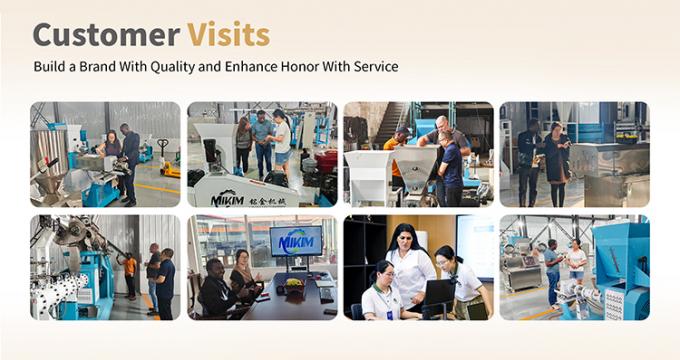
많은 고객들은 배송 전에 실제 공장 테스트를 요청합니다.
- 펠릿 품질
- 부동 효과
- 기계 안정성
- 실제 생산량
- 연속 구동 상태
테스트 영상과 실제 생산 시연은 고객이 투자하기 전에 장비 성능을 더 잘 이해하도록 돕습니다.
떠있는 생선 먹이 필렛의 응용
완성된 펠릿은 다음 용도로 적합합니다.
- 호수 수산
- 케이지 생선 재배
- 상업용 어식장
- 수산물 사료 가공업
떠있는 먹이는 먹이 관찰을 개선하고 불필요한 먹이 낭비를 줄이는 데 도움이됩니다.
마지막 제안
파는 생선 먹이 펠릿 엑스트루더 기계를 구매하기 전에 고객은 다음을 확인해야 합니다.
- 필요한 생산 용량
- 어류
- 펠릿 크기 요구 사항
- 지역 원자재 조건
- 전원 공급 표준
실제 기계 테스트와 기술 컨설팅은 미래의 생산 위험을 줄이고 사료 제조 효율성을 향상시키는 데 도움이 될 수 있습니다.